Why Máxima's Parents Were Absent from Her Royal Wedding
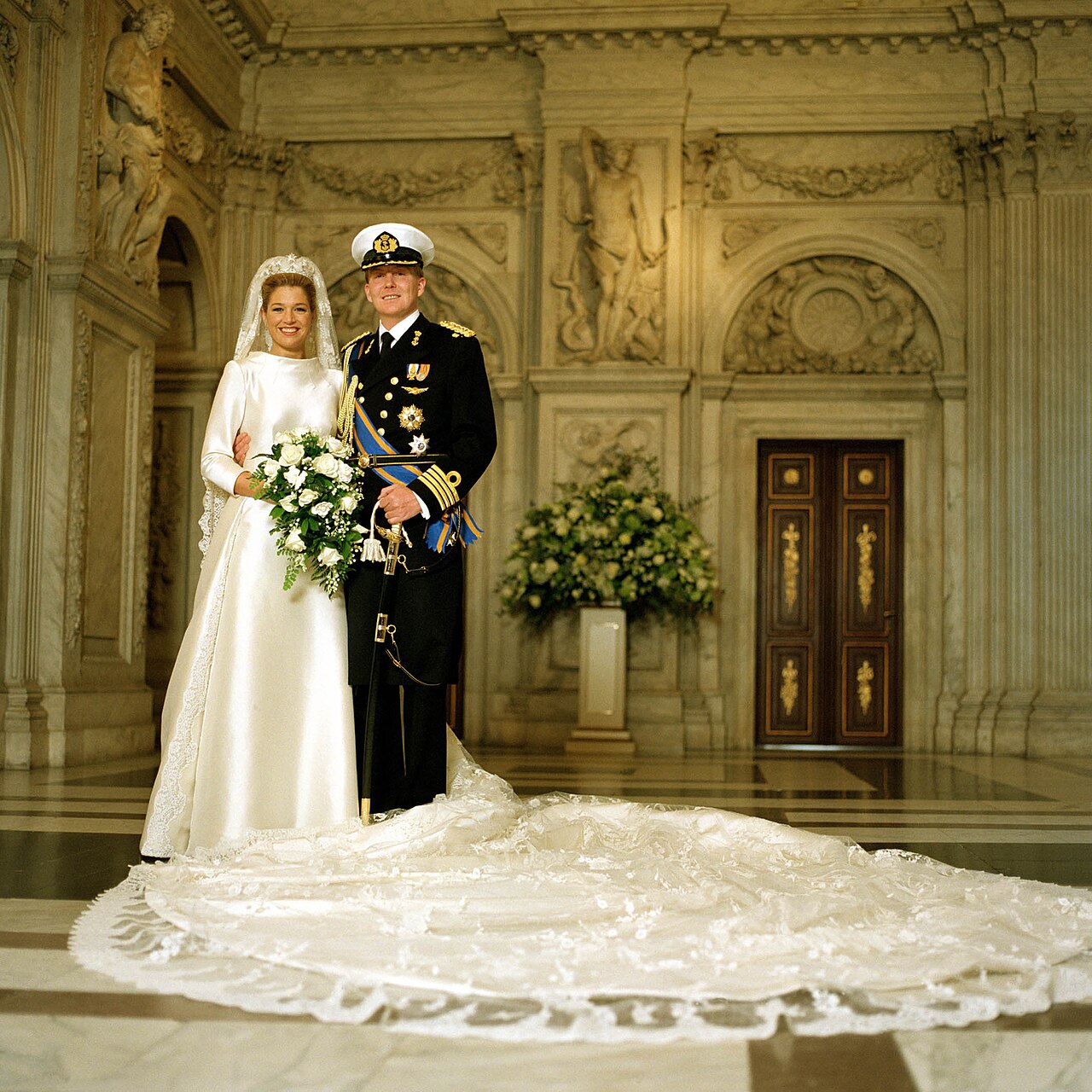
The image of the elegant, radiant Máxima Zorreguieta, now Queen Máxima of the Netherlands, on her wedding day in February 2002, is etched into history. As she stood beside her groom, then Crown Prince Willem-Alexander, ready to embark on a new life as a royal, the world watched. Yet, amidst the pomp and splendor of a Dutch royal wedding, two significant figures were conspicuously absent: Máxima's parents, Jorge Zorreguieta and María del Carmen Cerruti. Their absence cast a poignant shadow over the joyous occasion, prompting questions and a deep sense of understanding for many observers, especially those who recall the iconic tear Máxima shed during the ceremony. The reason behind this heartbreaking decision lies rooted in a controversial past that intertwined personal ties with the unyielding demands of public duty and political integrity.
The Shadow of the Past: Jorge Zorreguieta's Role in Argentina
At the heart of the controversy was Máxima's father, Jorge Zorreguieta. In the Netherlands, his name became synonymous not just with the future queen's father, but with a deeply divisive period in Argentine history. From 1976 to 1981, Zorreguieta served as Minister of Agriculture under the regime of General Jorge Videla. This military junta presided over one of Argentina's darkest chapters, known as the "Dirty War," a period of state-sponsored terrorism. During this time, an estimated 30,000 people were killed or "disappeared" by the military government, victims of abduction, torture, and murder.
While Jorge Zorreguieta consistently denied any knowledge of the atrocities committed by the regime, claiming his role was purely technocratic and focused solely on agriculture, public opinion and official inquiries often viewed his proximity to power with skepticism. Many believed it was impossible for someone in such a senior governmental position to be entirely unaware of the widespread human rights abuses taking place. This contested history became an insurmountable obstacle when his daughter became engaged to the heir to the Dutch throne, placing him under intense international scrutiny. The Dutch government and public found it unacceptable for a figure associated with such a brutal dictatorship to be present at a state occasion as significant as a royal wedding.
A Royal Dilemma: The Dutch Government's Stance
The prospect of Jorge Zorreguieta attending the wedding immediately sparked a significant political crisis in the Netherlands. Before the engagement was even formally announced in 2001, intense discussions took place between then-Prime Minister Wim Kok, Crown Prince Willem-Alexander, and the reigning monarch, Queen Beatrix. Kok's government made it clear that Máxima's father's presence at the wedding was politically untenable due to his past involvement with the Videla regime. The Dutch Parliament, representing the nation's democratic values and commitment to human rights, would not consent to the marriage if Jorge Zorreguieta were to attend.
This posed an immense challenge for the Dutch Royal House. Royal weddings are not merely family affairs; they are state occasions symbolizing national unity and values. For the government to sanction the marriage, a crucial condition was set: Jorge Zorreguieta had to confirm his absence. Queen Beatrix herself expressed how "buitengewoon pijnlijk" (extremely painful) this decision was, recognizing the profound personal sacrifice it demanded from her future daughter-in-law and her family. The decision highlighted the delicate balance between personal happiness and the stringent requirements of royal duty and political expediency. The Dutch public, deeply aware of historical injustices, expected a clear stance, and the government delivered, prioritizing national principles over personal desires, however difficult.
Máxima's Heartfelt Confession and Sacrifice
In a powerful and candid press conference following her engagement announcement in 2001, Máxima confronted the controversy head-on. Her words resonated deeply, revealing her strength and commitment to her new role. "It is very difficult for me, but I will be open and honest," she began, addressing the sensitive topic. She unequivocally condemned the Videla dictatorship, stating, "What happened during that period in Argentina is terrible. I have long rejected the Videla dictatorship. The disappearances, the tortures, the murders, and all the terrible facts from that time."
Máxima expressed profound understanding for the concerns of the Dutch people regarding the painful period in her homeland. Regarding her father's role, she shared her belief in his "best intentions" for agriculture within "a wrong regime," and affirmed her faith in his integrity. Despite her personal convictions and unwavering love for her father, she acknowledged the regret. "My father is, and will always remain, the honest and devoted father who was always there for me," she stated, adding, "My entire family stands unconditionally behind me, but they also understand the feelings surrounding this subject. Therefore, my father is prepared not to be present at our wedding. However painful this may be for our family."
This declaration of understanding and acceptance, even in the face of profound personal pain, underscored Máxima's dedication to her future role. It was a remarkable moment of public candor that helped bridge the gap between her personal history and her future as a royal. And what about the question,
Was Maxima Haar Moeder Op De Bruiloft? Ultimately, Máxima's mother, María del Carmen Cerruti, also did not attend the wedding. While the primary political objection was to her father, it is widely understood that her mother's absence was a personal decision, made out of solidarity with her husband and to avoid creating a further imbalance or drawing additional attention to the politically charged void. This joint absence underscored the family's shared sacrifice and the depth of their collective pain, making the moment of the wedding even more fraught with emotion for the bride. You can delve deeper into this particular aspect in our related article:
The Controversial Reason Máxima's Mother Missed Her Wedding.
The Iconic Tear: A Moment of Unspoken Grief
The personal cost of this decision became powerfully evident on Máxima's wedding day, February 2, 2002. As the renowned bandoneon player Carel Kraayenhof performed "Adiós Nonino," a melancholic tango by Astor Piazzolla, a single tear streamed down Máxima's cheek. This moment, captured by cameras worldwide, instantly became iconic – "dé traan" (the tear). It was a raw, unfiltered expression of emotion, a glimpse into the immense personal sacrifice she had made.
Máxima's biographer, Marcia Luyten, later revealed the depth of her grief, stating that Máxima "couldn't stop crying the night before her wedding. It was an enormous sacrifice for her." "Adiós Nonino," a poignant ode to Piazzolla's deceased father and his Argentine roots, resonated profoundly with Máxima. In that moment, the music not only honored her heritage but also highlighted the invisible presence of her parents and the roots that were, by necessity, somewhat obscured on her wedding day. The tear humanized the future queen, showing a vulnerability and strength that endeared her to many. Even Queen Beatrix reflected on the difficulty for Máxima, entering a new country and a new family under such challenging circumstances. This powerful moment of emotion and its background are explored further in
Máxima's Wedding Traan: The Painful Absence of Her Parents.
The absence of Máxima's parents from her royal wedding was a complex issue, born from historical controversy, political necessity, and immense personal sacrifice. It was a defining moment that showcased Máxima's strength, her willingness to prioritize her future role and the values of her adopted nation, even at a profound personal cost. This event remains a poignant reminder of the intricate balance between individual lives and the demands of public office, especially within the unique world of royalty.