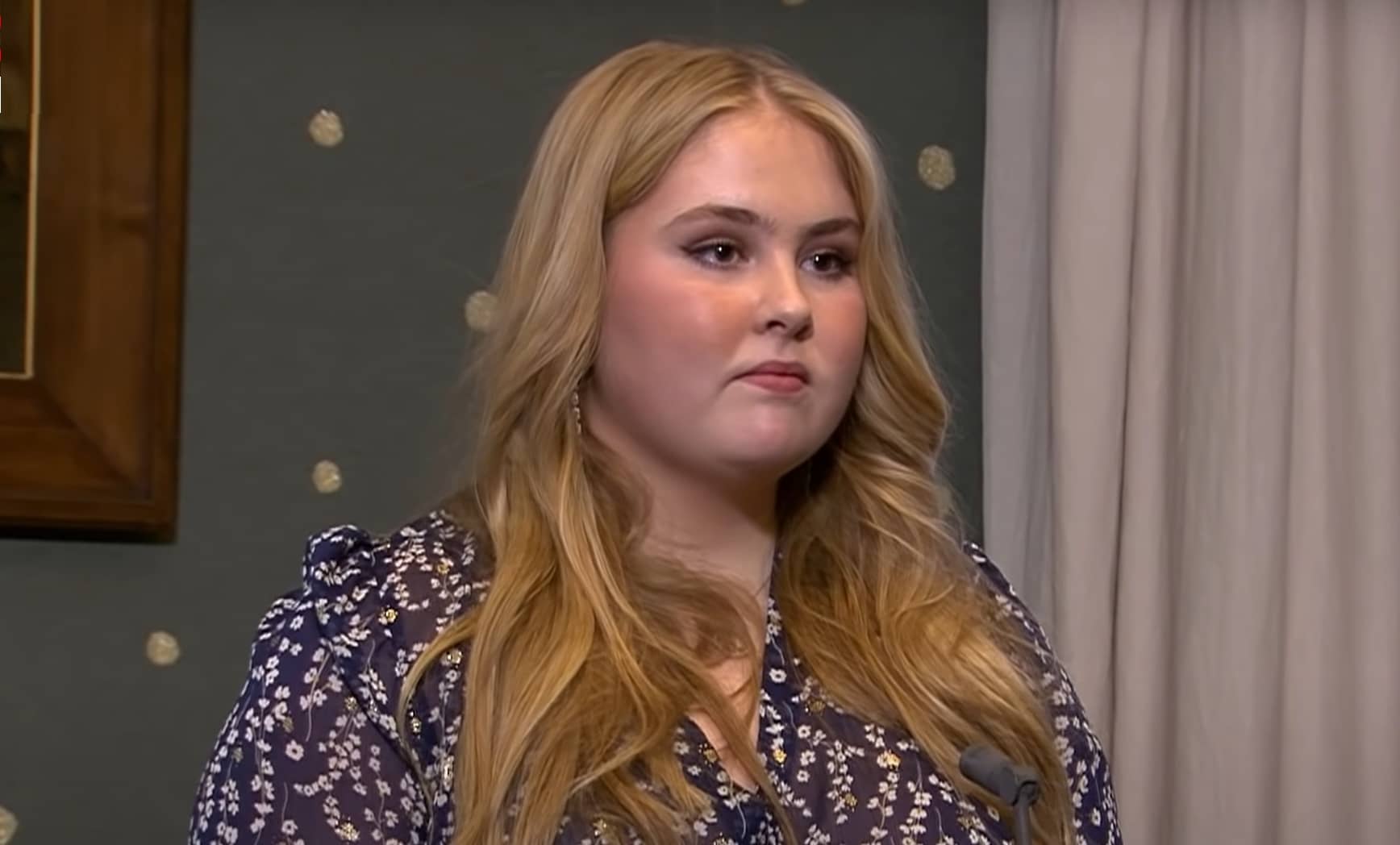
The Controversial Reason Máxima's Mother Missed Her Wedding
The royal wedding of then-Crown Prince Willem-Alexander of the Netherlands to the Argentinian Máxima Zorreguieta on February 2, 2002, was a spectacle of joy, tradition, and profound emotion. Yet, amidst the grandeur and global attention, a poignant absence cast a long shadow over the celebrations: both of Máxima's parents were not present. While much has been discussed about the reasons behind her father, Jorge Zorreguieta’s, non-attendance, the question of "Was Maxima Haar Moeder Op De Bruiloft?" (Was Máxima's Mother at the Wedding?) often arises, and her absence is intrinsically linked to the same controversial past that precluded her husband's presence. This article delves into the complex web of history, politics, and personal sacrifice that led to this heart-wrenching decision.
A Shadow from Argentina: Jorge Zorreguieta's Controversial Past
To understand why Máxima’s mother, María del Carmen Cerruti, was absent, one must first grasp the controversy surrounding her husband, Jorge Zorreguieta. Jorge Zorreguieta served as Minister of Agriculture during the period of the last Argentine military dictatorship, led by Jorge Videla, from 1976 to 1983. This was a dark chapter in Argentina's history, marked by state-sponsored terrorism, widespread human rights abuses, and the brutal "Dirty War," during which an estimated 30,000 people were killed or forcibly disappeared.
While Zorreguieta consistently denied any knowledge of the atrocities committed by the regime, claiming his role was purely technocratic and focused solely on agricultural policy, many in Argentina and internationally found this difficult to believe. Critics argued that anyone serving in such a high-profile governmental position during that era must have been aware of the regime's oppressive tactics. This historical entanglement became a major diplomatic and political hurdle for the Dutch monarchy when Willem-Alexander announced his engagement to Máxima. The Dutch parliament, renowned for its strong stance on human rights, made it clear that their consent for the royal marriage—a constitutional requirement—hinged on a satisfactory resolution to this sensitive issue. The prospect of a former minister from such a regime being present at a Dutch royal wedding was deemed unacceptable by many, leading to intense debate and public scrutiny. For a deeper dive into the specifics, you can read more about
Why Máxima's Parents Were Absent from Her Royal Wedding.
The Painful Ultimatum: Dutch Politics and Royal Sacrifice
The political pressure mounted quickly after the engagement announcement in 2001. Then-Prime Minister Wim Kok, along with Queen Beatrix and Crown Prince Willem-Alexander, faced an unprecedented dilemma. The Dutch government, after careful consideration and consultation with various historical and legal experts (including a report by Professor Baud), concluded that Jorge Zorreguieta's presence at the wedding would be politically untenable. The consensus was that while there was no direct evidence linking him to specific human rights violations, his association with the Videla regime was too problematic for him to attend a state occasion in the Netherlands.
The parliament's approval for the marriage was contingent upon Zorreguieta's agreement not to attend. This decision, as Queen Beatrix later expressed, was "extraordinarily painful" for the entire family. Máxima herself addressed the controversy head-on in a remarkably candid press conference following her engagement. With impressive composure, she publicly condemned the Videla dictatorship, stating, "What happened in that period in Argentina is terrible. I have long rejected the Videla dictatorship. The disappearances, the tortures, the murders, and all the terrible facts from that time." While she stood by her father, believing in his good intentions regarding agriculture, she acknowledged and respected the profound concerns of the Dutch people. Her personal pain was evident, but her commitment to her future role was unwavering, stating that her father, despite the immense personal sacrifice, was willing to step aside for the sake of the marriage and her future in the Netherlands. This was a monumental test of her character and her dedication to her new country.
María del Carmen Cerruti: A Mother's Solidarity and Shared Burden
With the decision firmly made that Jorge Zorreguieta could not attend the wedding, the question then became: "Was Maxima Haar Moeder Op De Bruiloft?" The answer was no. Máxima's mother, María del Carmen Cerruti, also chose not to attend the wedding. Her absence was not due to any direct political controversy surrounding her own actions, but rather a profound act of solidarity with her husband. It would have been unimaginable, and indeed socially awkward, for one parent to attend while the other was explicitly barred due to a political decision.
For Máxima, this compounded an already incredibly difficult situation. While she understood the political necessity, the absence of both her parents on such a momentous day was a deeply personal blow. Máxima's biographer, Marcia Luyten, revealed that the night before her wedding, Máxima "couldn't stop crying. It was a huge sacrifice for her." The emotional weight of this absence was dramatically captured during the wedding ceremony itself when a single tear famously rolled down Máxima's cheek as Argentinian bandoneon player Carel Kraayenhof performed "Adiós Nonino." This poignant moment, the "Máxima's Traan" (Máxima's Tear), was widely interpreted as an expression of her grief for her parents' absence and a silent tribute to her Argentinian roots, which felt so conspicuously absent on her special day. You can explore this emotional moment further by reading
Máxima's Wedding Traan: The Painful Absence of Her Parents.
The Enduring Legacy of a Difficult Choice
The decision surrounding Máxima's parents' absence at her wedding remains one of the most significant and challenging moments in recent Dutch royal history. It highlighted the complex interplay between personal lives, historical accountability, and the demands of public office. For Máxima, it was an early and stark lesson in the sacrifices required of a future queen, demonstrating her resilience and dedication to her adopted homeland.
The family, while pained, publicly accepted the decision. Jorge Zorreguieta and María del Carmen Cerruti were, however, permitted to attend the baptisms of their grandchildren, showcasing a nuanced approach that allowed for personal family connection outside of official state occasions. This balancing act illustrates the delicate tightrope royalty must walk, navigating national sentiment, historical justice, and deeply personal family bonds. For Máxima and her family, the wedding day was a bittersweet triumph—a celebration of love and a commitment to a new life, tinged with the sorrow of absence and the weight of a difficult past. It served as a powerful reminder that even in fairy tales, real-world complexities can impose profound costs, demanding immense personal strength and understanding.
This episode offers a valuable insight into the unique pressures faced by royal families. It underscores the importance of transparency, ethical considerations, and the willingness to make deeply personal sacrifices for the greater good of a nation. For any public figure, particularly those in roles of national representation, it highlights how historical context and public perception can profoundly shape personal milestones, demanding not just a commitment to duty, but also an extraordinary capacity for empathy and personal resilience.
Conclusion
The question, "Was Maxima Haar Moeder Op De Bruiloft?" carries with it a profound story of political necessity, personal sacrifice, and enduring love. While María del Carmen Cerruti's absence was not due to direct involvement in controversy, her decision not to attend stood as an act of unwavering solidarity with her husband, Jorge Zorreguieta, whose past political role rendered his presence untenable. This collective absence undeniably cast a shadow over what should have been an unblemished day of joy for Máxima. Yet, it also showcased her remarkable strength, her understanding of her future role, and the deep love and support within her family, even in the face of immense public and private pain. The controversial decision ultimately became a testament to the Dutch royal family's commitment to national values and Máxima's steadfast dedication to her new country, shaping her journey from Argentinian commoner to beloved Queen of the Netherlands.